
Call Redialed: NEW Pamela Weiler Grayson Interview: Fighting Gendered Ageism in Theatre - 50 Plays by Women+ Over 50
Jul 27, 2026
One of the things I related most to about Blanche Devereaux from The Golden Girls was how she tried to be as young as possible. I often found myself quoting one of her famous sayings, "I have turned back the hands of time."
When I was in my 30s and early 40s, I tried to find ways to remain in my 20s. I stayed as clean shaven as possible because I felt it made me look younger. I dyed my beard so no gray hair would seep through. I would try to lessen or figure out how I could reduce any laugh lines or wrinkles I saw. I did everything I could to reverse time.
It wasn't until my mid to late 40s that I started embracing my age more. As someone who is in his 50s (I'll be turning 51 this August), I realized I am proud to be this age because I have lived. I am fortunate to still be here when so many people I know never made it to this age.
Award-winning Playwright, Lyricist & Composer Pamela Weiler Grayson, whom I have interviewed multiple times throughout my 17 year career, told me she & her un-produced play, A Comfortable Life were featured on a new list called 50 Plays by Women+ Over 50 .
When she asked me if there was a way I could spotlight this movement to get more women+ over 50 playwrights produced, I knew the answer was, "A qualified yes!," in the words of Sir Andrew Lloyd Webber from Evita.
In this NEW interview, Pamela once again answered my call, but this time around she shares:
- What it means to have A Comfortable Life selected for the 50 Plays by Women+ Over 50 list
- Why visibility for women+ playwrights over 50 is necessary
- How HONOR ROLL! is changing the conversation around age, gender & theatre
- Why she proudly said yes to being known as a 50+ playwright
- The double standard older women face in theatre that men often do not
- Why rejection has not stopped her from writing, submitting & showing up
- What audiences need to understand about gendered ageism on & off stage
Connect with Pamela: Website, Instagram
Connect with 50 Plays by Women+ Over 50: Website
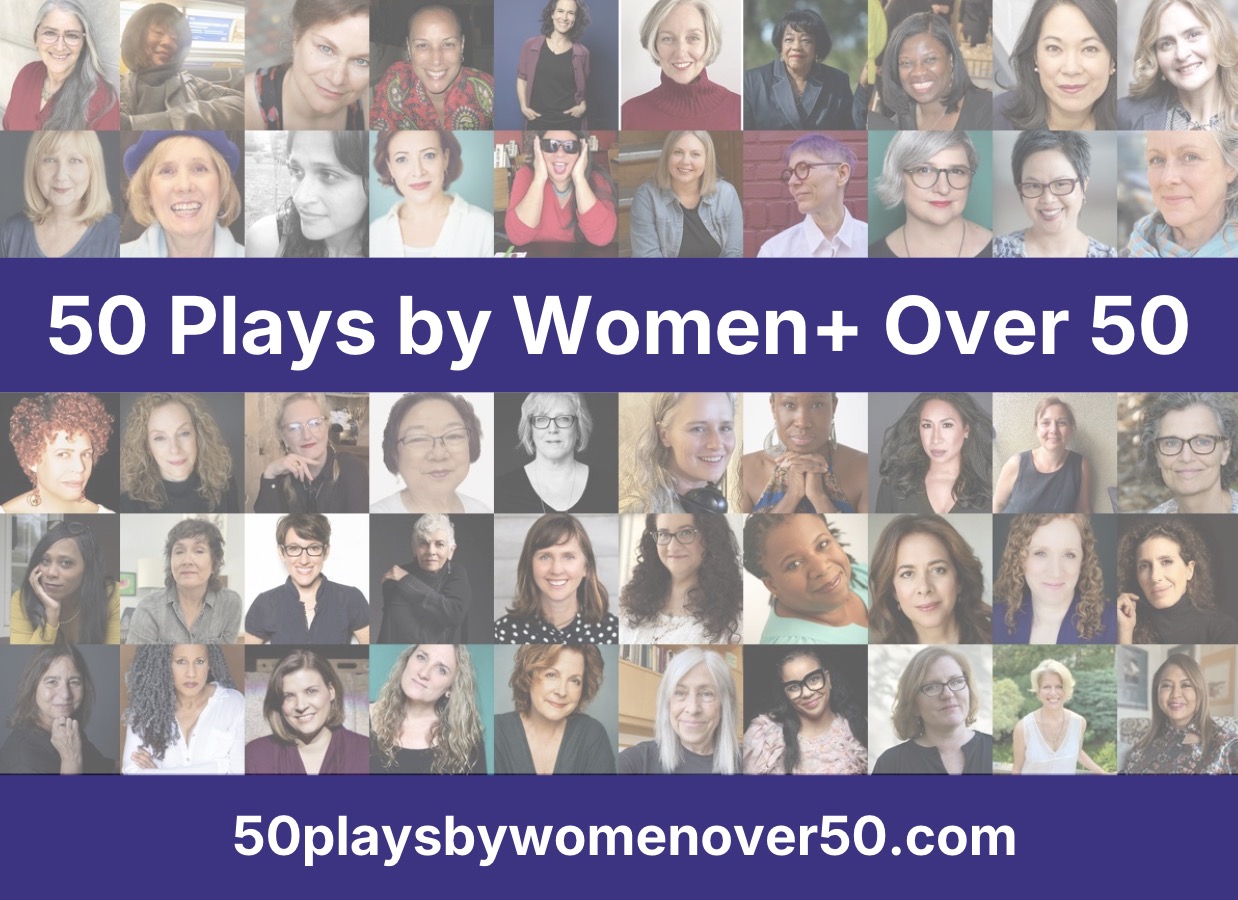
The 50 Plays by Women+ Over 50 list was compiled to spotlight the work of older women+ playwrights. It features unproduced full-length plays by women+ over 50, selected from recommendations by theatre artists across the country. A second list will be released in early 2027.
Jacquelyn Reingold & Cheryl L. Davis, Honor Roll! Executive Committee members and playwrights themselves, conceived of the list after three years of meetings with nonprofit theaters in NYC. A look at the plays being produced in New York revealed a dearth of women+ playwrights over fifty.
If you or someone you know is an Artistic Director, Producer or Theatremaker & want to turn these plays into a production, visit https://www.50playsbywomenover50.com to view the list!
1. You & your play, A Comfortable Life, which has not yet been produced, has just been selected to be part of an extraordinary new list called 50 Plays by Women+ Over 50. What does it mean to you to be part of this list? It’s incredibly meaningful to be part of this list. I feel so grateful to have been nominated and selected for it with my play, A Comfortable Life.
One of the reasons this particular play was eligible for the list is because the plays that were nominated had to be those that have not had any productions. This play has had readings, but not a full production yet.
I have so much respect and admiration for the other playwrights on the list (some of whom I know fairly well), so to be part of this group is a true honor. I deeply believe in the mission of bringing more visibility to these writers and all of our work.
2. How do you feel this kind of exposure will help female playwrights, like yourself, over 50, get more of your work produced? I hope that the exposure generated by this list will inspire artistic directors and producers to be more open to championing women of “a certain age,” whose work has not always received as much attention as it should.
I’ve already noticed that some producers and theatre professionals are interested and excited about the list, and that could be the start of more theatres programming these plays. Fingers crossed!!

3. The 50 Plays by Women+ Over 50 was issued by HONOR ROLL!, an advocacy and action group of older women+ playwrights. How did you become part of this group? I don’t remember who told me about Honor Roll! But I do recall reading about it on social media and becoming excited about it. And I knew some other women who were part of it.
Because I started writing plays and musicals later in life, my work is very focused on mid-life women, and I have been a longtime advocate for creating more visibility and opportunities for women in this age group.
4. How do you feel this group has helped your career? Honor Roll! is a powerful advocacy movement. The work its leaders have done, in terms of speaking with artistic directors in the community and encouraging them to program more plays by women in this demographic, has helped my career by raising awareness and allowing women like me to gain more visibility and traction.
I also believe that one’s career is not just about how many shows you get produced (although of course that is part of the mission), but it’s also about your networks and the communities you create and nurture. I try to cheer on people who post in our Facebook group, and they do the same, so we all support each other. I also try to amplify their work by posting on my own social media.
By getting to know each other through Honor Roll!, and seeing each other’s shows and talking about them, we raise each other up, and I think that has been a huge help to my career.
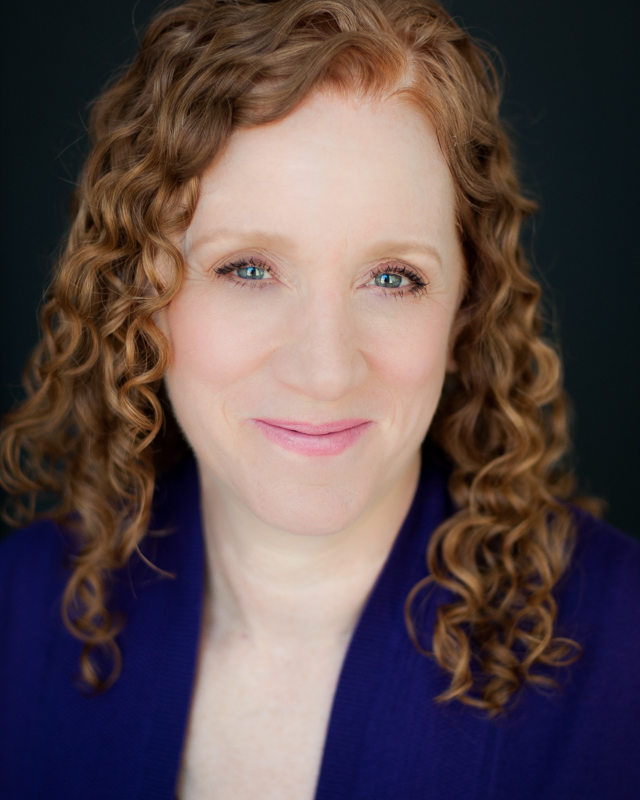 Pamela Weiler Grayson
Photo Courtesy of Pamela Weiler Grayson
5. Press notes state that there were some playwrights who did not want to be part of this list because they felt being known as a 50+ playwright would hurt their career. When you got the call that you were going to be selected for this list, what made you say YES I want to be known as a playwright over 50? I have been a proponent of transparency about my age (for the most part, even if not giving an exact number all the time) precisely because I want to help eradicate ageism, or at least help make it less stigmatizing.
So I was thrilled to be on this list and to announce that I’m on it! It also did not hurt that I am over 60 now - so yeah, to me 50 sounds a little on the young side.
6. Why do you feel older playwrights don't get the same kind of opportunities as younger playwrights, when you have so much more life experience to share? I’ll qualify my answer by saying that older playwrights who are well-known do often get produced. They are the “sure things” that producers think will fill seats and attract audiences.
It’s the writers who are older, but lesser-known who don’t get the same opportunities. The bias in the industry is that for lesser-known writers, they should be young people, because they are the “hot young thing.” How often do people say “the hot OLD thing”? I would argue that many of us “old things” are still “hot,” and not just from hot flashes.
We have a lot to say that younger people may not have the perspective to write about, and we often explore cutting edge topics. I also think that some theatre’s literary managers are very young, and they might not be as open to older writers.
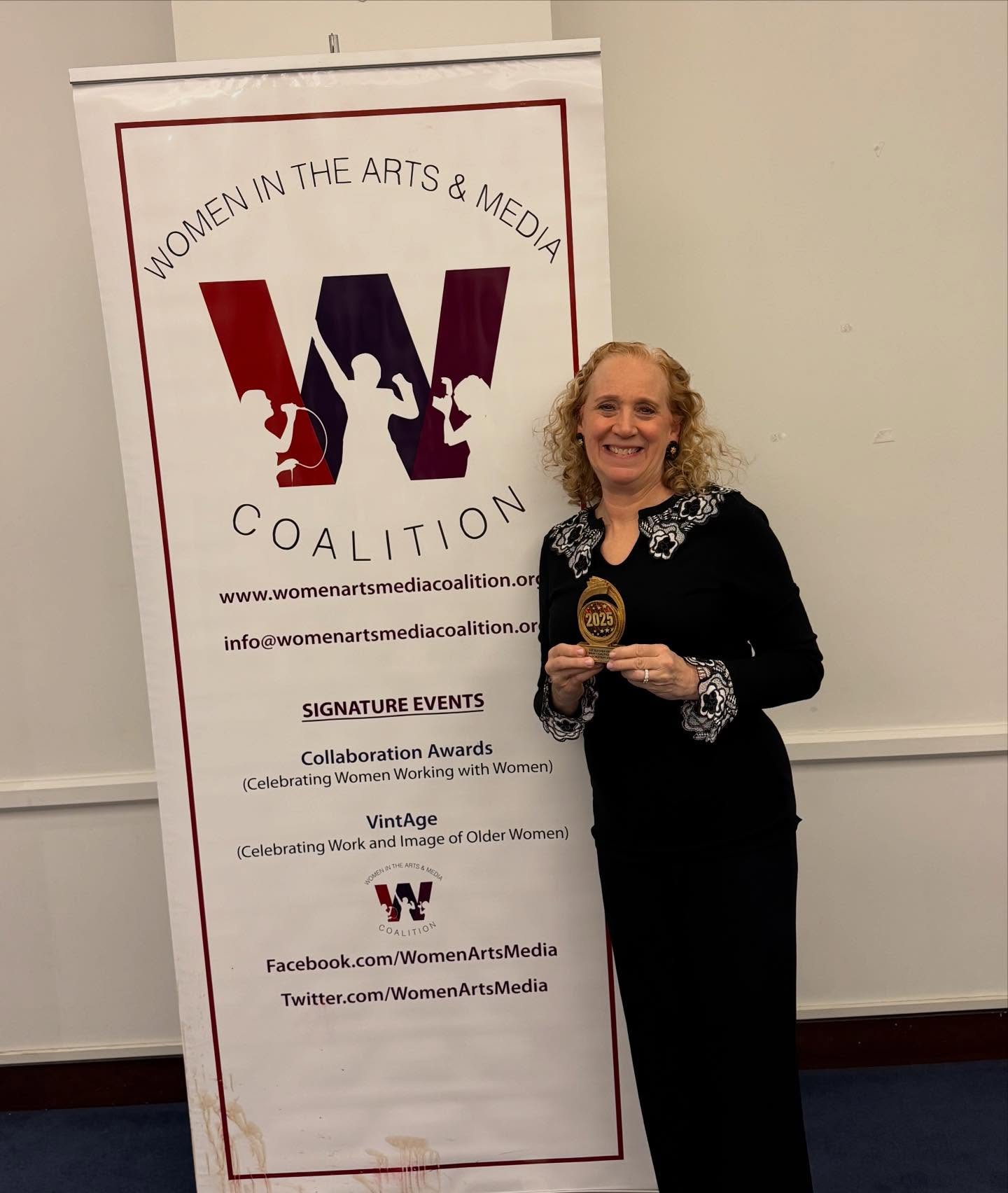 Pamela Weiler Grayson being honored
Women in the Arts & Media Coalition 2024
Photo Courtesy of Pamela Weiler Grayson's Social Media
7. It also seems that male playwrights over 50 might not face the same kind of ageism as female playwrights. Why do you think theatre companies have an easier time saying yes to a 50+ male playwright than a female playwright? Male older playwrights also face challenges if they are not well-known, but part of this problem of gendered ageism is that for so many years women were statistically not produced as often as men. There was a lot of gender bias.
That is getting better now (although still there is no parity), but many women over 50 have been struggling to get their plays read and produced for the past 30 years or so, when women were not being produced enough. So those were like lost years for these writers, who now, in their 50’s and 60’s, are feeling like they missed the bandwagon.
Younger women writers are getting produced more often now, but they were not back then, so there is a huge time lag for older women.
Also, with women doing the lion’s share of work at home for many years (and that is getting better too, now), they were often not able to spend as much time trying to get work produced because they were busy raising children.
So all these contributing factors have made it harder for older women, as opposed to men.
8. As a 50+ playwright yourself, how do you feel your shows speak to an audience that these theatre companies might be overlooking? That’s a great question! I don’t want to pigeonhole older writers to say that we only write about things that older people care about, but I do think that we have a perspective that probably leans more into the idea of strong female characters in mid-life and beyond, who are not just playing the protagonist’s mother or grandmother.
Since audiences statistically are often older women who have the economic power to buy tickets to shows, I do believe they appreciate seeing themselves and their stories reflected onstage. I know I do!
And I also believe that younger people appreciate these stories, too, and they enjoy seeing deeply etched characters created by those of us with lived experience in this age range.
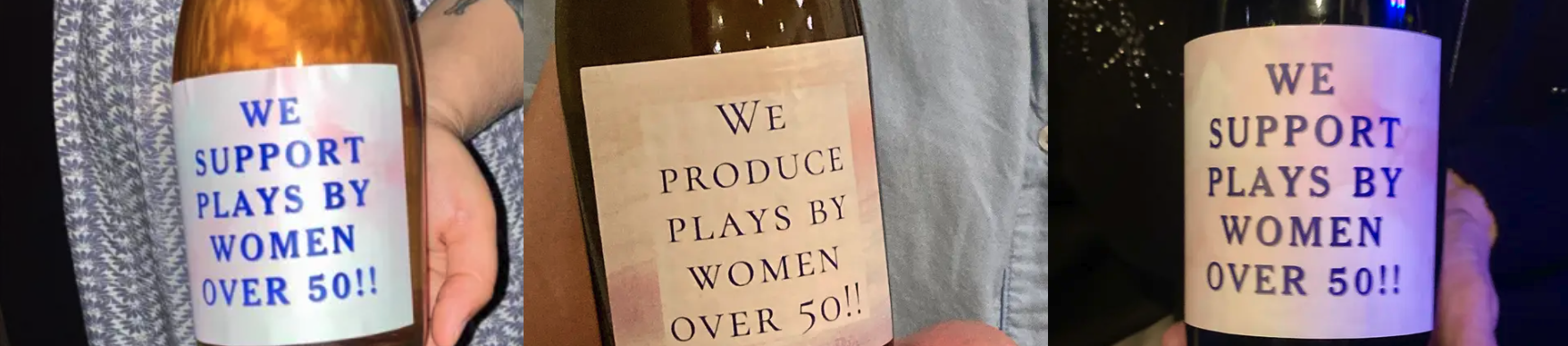 Photo Courtesy of 50 Plays by Women+ Over 50 Website
9. With so much resistance, rejection & struggle to get your plays produced, what keeps you going? I think what keeps me going is mostly the creative inspiration I have that pushes me to keep on writing and creating, no matter who is going to produce the work, or whether it ever gets produced.
I love making art, so the joy of it is still there, even in the face of rejection and other hurdles. I also love the community of artists that I’ve been lucky enough to get to know and to feel a part of, so that is really sustaining.
Additionally, having had some of my shows produced, and winning the support of many industry people, also gives me hope that it can happen again.
And frankly, I don’t use the money I make from my writing - which is very, very little, because theatre writers are the last to get paid - for my living expenses. If I did, it would be much harder to keep going.
10. What is something else you'd like my audience to know about this issue of gendered ageism in theatre that we didn't get to talk about? I think it’s important to emphasize that gendered ageism is this intersectional challenge that older women face that is unique from other demographic groups in the theatre industry.
While we know that gender bias has existed since forever, ageism is the last “ism” that doesn’t seem to have enough momentum and an organized advocacy movement. And older women face both these hurdles. We were underrepresented as women for many years, and now we’re underrepresented because we’re older.
I hope this list helps to level the playing field. Not just because older women want it, but because younger women as well as men can be inspired that they too can have some visibility at a later stage in life.
We all get older, so this list is for everyone, not just for the women who are on it now.
More Pamela Weiler Grayson Interviews:
2025 (Read Here): Revisiting URBAN MOMFARE
2024 (Read Here): OBSERVANT play
2014 (Read Here): URBAN MOMFARE: A New Musical
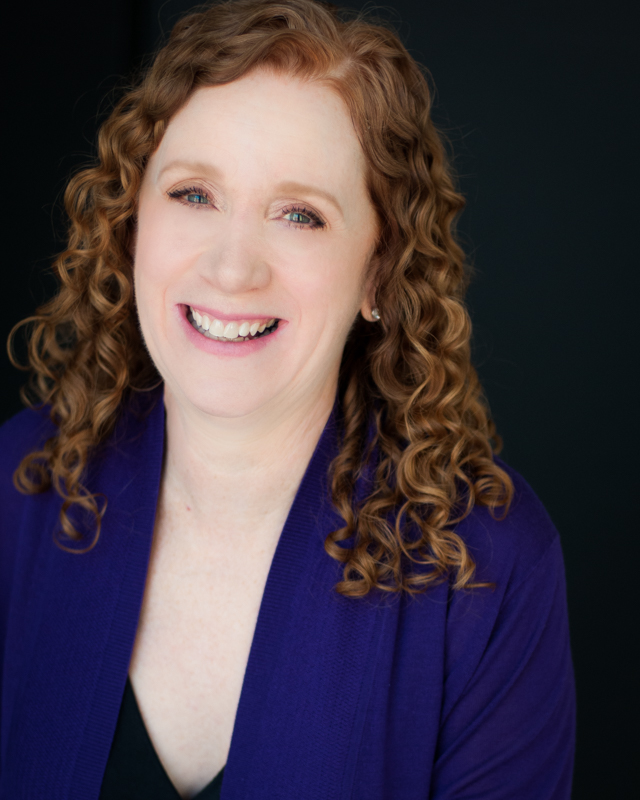 Pamela Weiler Grayson
Photo Courtesy of Pamela Weiler Grayson
More on Pamela Weiler Grayson:
Pamela Weiler Grayson was recently named chair of the board of Emerging Artists Theatre (EAT), after being the vice chair for several years.
Her award-winning plays and musicals have been produced on stages across New York and around the country. Her notable works include Urban Momfare, for which she served as composer, lyricist, and co-book writer. The musical won Best Musical at the New York International Fringe Festival, earned four stars and a Critics Pick from Time Out, and played the Fringe Encore Series.
Observant received a 2024 grant from The New York State Council on the Arts (NYSCA), was named a Semifinalist in the Jewish Plays Project’s 12th National Jewish Playwriting Contest, and was nominated for 5 BroadwayWorld awards, including Best New Play.
The Sustain, co-written with Alice Jankell and composer Aaron Drescher, received a 2025 grant from NYSCA, was an O’Neill National Music Theater Conference Semifinalist, and had a September 2025 NYC developmental workshop.
Pamela is also the co-writer, with Alice Jankell, of Cicadas, The Musical, which was featured on Season 2 of the Amazon streaming series The Other F Word. Her songs have been performed at 54Below, The Laurie Beechman Theatre, The Duplex, and Don’t Tell Mama. She has written for The New York Times and The New York Observer, among others.
Pamela is vice president of the board of Emerging Artists Theatre and an inaugural member of Theatre Now New York’s International Musical Writers Lab. Dramatists Guild member. Education: Brown University, Fordham Law School, New York Theatre Workshop, and The BMI Musical Theatre Workshop.
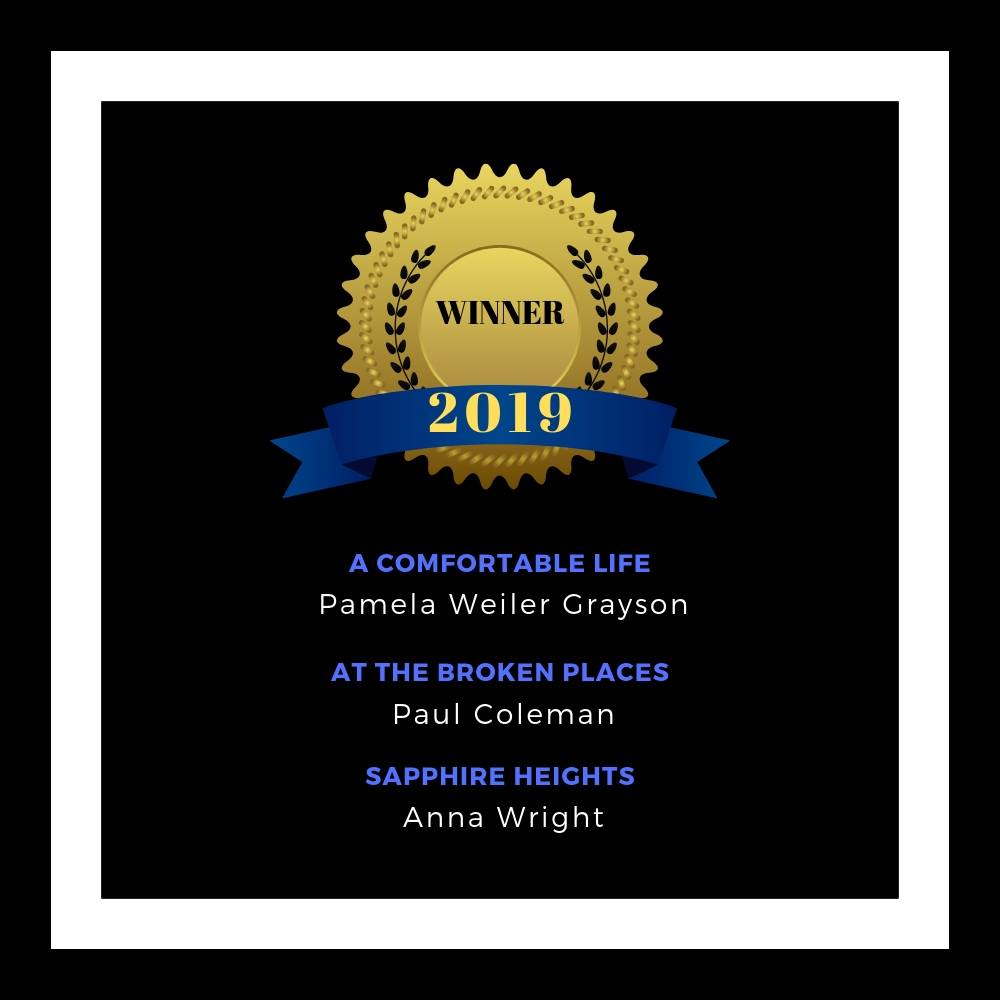 Photo Courtesy of Pamela Weiler Grayson
More on Pamela's play A Comfortable Life:
A Comfortable Life is a full-length, 6-actor play (2 women, 4 men). It is set in a New England boarding school town (unit set) and explores money and class in the shifting terrain of 21st century America.
“Blue Ribbon Award” as one of the top three plays in an international playwriting contest.
Staged readings done at Emerging Artists Theatre (NYC), Arts on the Lake in Kent, N.Y and as part of Southwest Theatre Production’s Rising Artists Series, Austin, Texas.
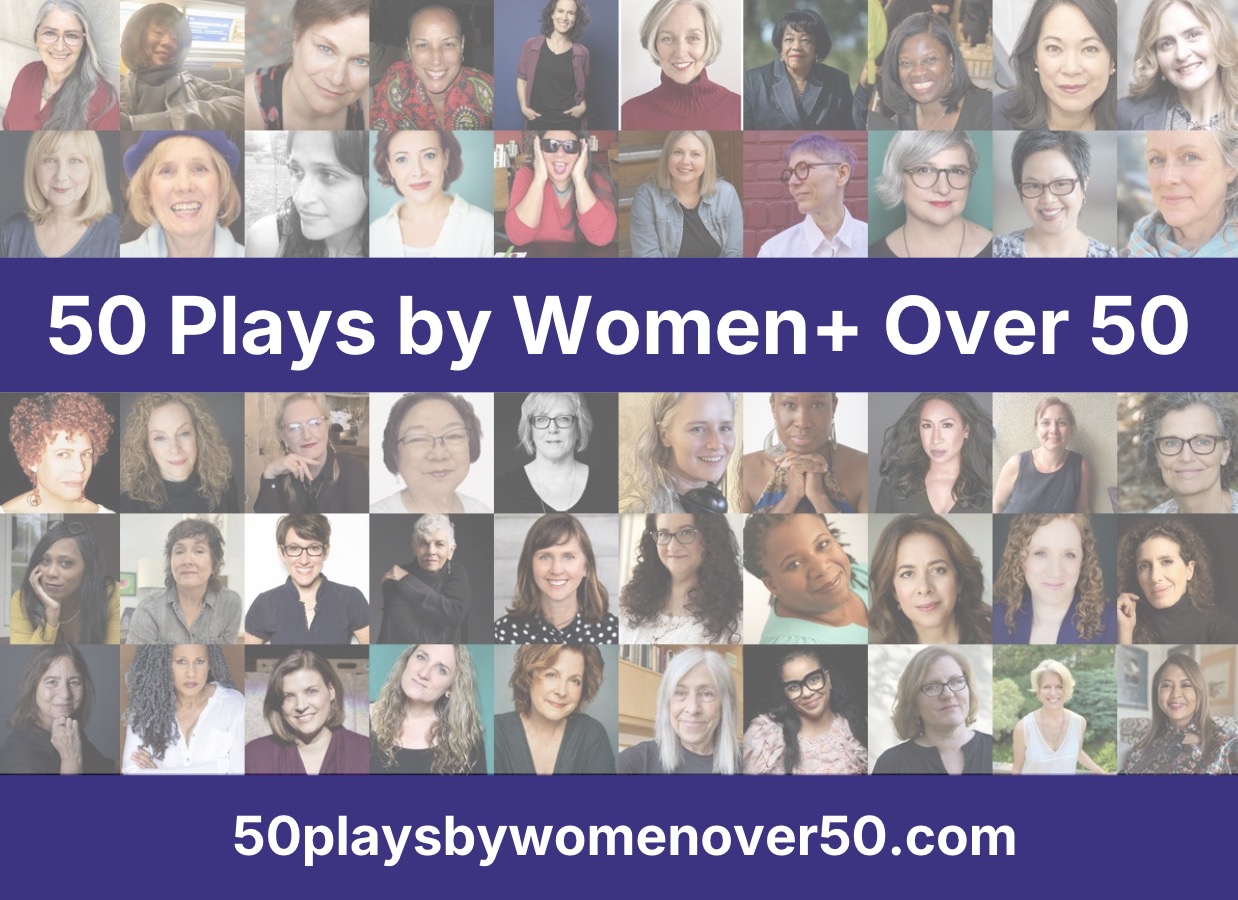
More on 50 Plays by Women+ Over 50:
This curated list is for producers, theater artists, and anyone who loves new plays. 50 Plays by Women+ Over 50 was compiled through recommendations from a diverse group of theater artists. Nominators were asked to recommend full-length unproduced plays they were passionate about, written by women+ over 50 years old.
The goal of the 50 Plays by Women+ Over 50 list is to encourage people to read, develop, and produce the plays it recommends, and celebrate the overlooked women-identifying playwrights who continue to write despite the odds stacked against them.
__________________________________________________
I hope you enjoyed reading this interview as much as I enjoyed conducting it.
Be sure to share it with your friends on your social media.
Do you struggle with staying on top of posting to your socials? I found the easy button for scheduling my social media posts.
Post Planner is an incredible social media scheduler. It is very user friendly. It has saved me several hours a week & given me a sigh of relief that I don't need to work on my social media everyday.
Find out more about this game changing tool & how you can save 25% or more by using my affiliate link here.

